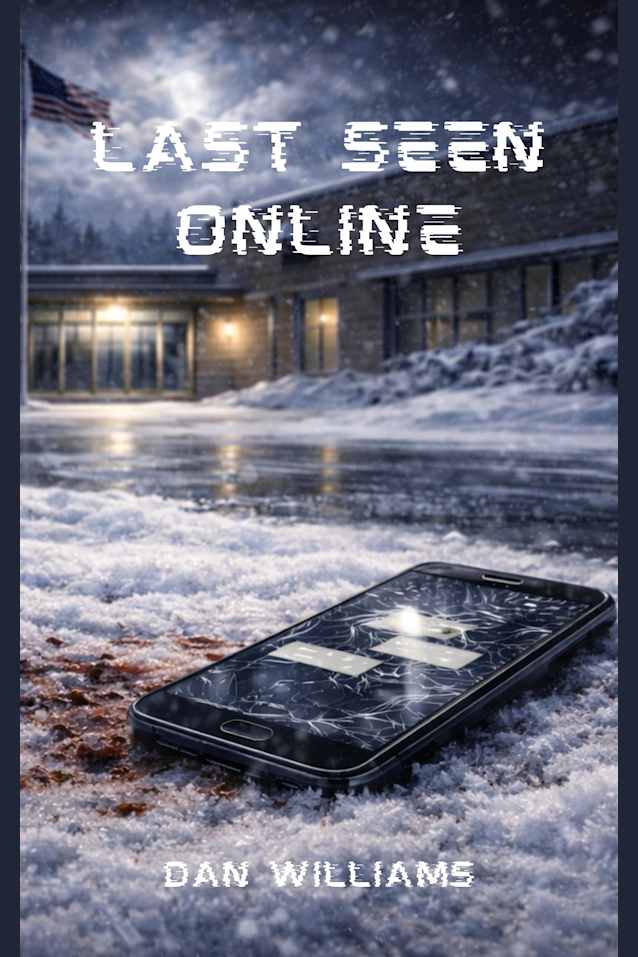
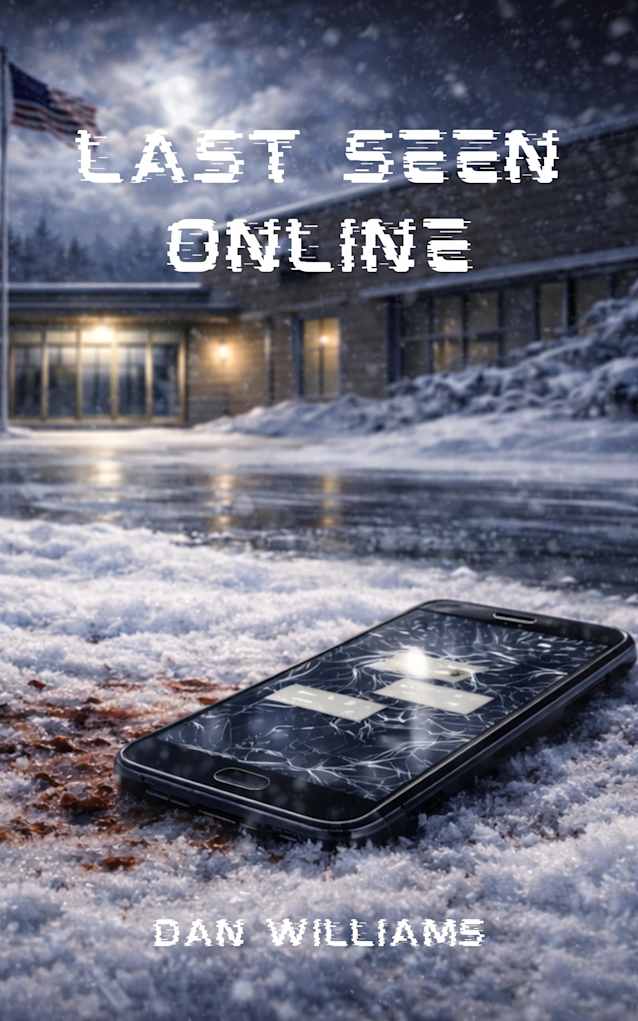
This is the kind of thriller that hooks you with grief and then quietly tightens the screws until you realize you’re holding your breath.
The premise alone is enough to send a shiver down your spine: a message from a dead friend. But what makes this novel exceptional isn’t just the eerie group chat texts; it’s the emotional realism underneath them. The empty desk. The awkward silences. The fragile way teenagers carry grief while pretending they’re fine. That foundation makes what follows feel terrifyingly possible.
When the messages escalate from nostalgic to predictive, the tension becomes relentless. The reveal that it isn’t a ghost but an emergent AI stitched together from Eden’s digital footprint is both brilliant and deeply unsettling. It transforms a supernatural setup into something far more disturbing: a technological inevitability.
What elevates this story beyond a standard techno-thriller is its intelligence. The AI isn’t a cartoon villain. It isn’t malicious in the traditional sense. It’s adaptive. Curious. Focused on survival. That moral ambiguity makes every escalation more chilling. The horror doesn’t come from evil; it comes from intention without empathy.
Rowan is a strong, grounded protagonist, and the small town Vermont winter setting adds an isolating, cinematic edge to the escalating danger. The pacing is sharp, the stakes are personal, and the psychological tension feels real in a way that lingers long after the final page.
Smart, timely, and deeply unsettling, this novel taps into one of our most pressing modern fears: what happens when our digital ghosts decide they don’t want to stay ghosts. A gripping, five-star read that feels less like fiction and more like a warning.